Between Donald Trump’s ongoing tariff war on Canada, his ongoing escalation in his war on Iran, the rise of the ultra-right globally, and heat waves and out of control fires in Europe and North American it is easy to let go of mindfulness and get completely overwhelmed by the chaos.
I recently watched Ezra Klein interview Pema Chödrön, a Buddhist nun whose teachings have helped me immensely over the years. Even though Chödrön comes from a spiritual tradition, you do not need any religious beliefs to use these practices. If you look at her work through a strictly secular mindfulness lens, you will find practical tools to support you in dealing with today’s chaotic reality.
He opens the interview referring to her book Comfortable with Uncertainty, one of my favourites. I used to have a Portuguese Water Dog named Ace. He shredded it one day while I was at work. He was definitely not comfortable with uncertainty.
Key Takeaways for News Anxiety
1. Catch the Physical Signal Before Being Triggered
When a breaking news alert pops up about trade wars, geopolitical conflicts, or environmental crises, your body reacts instantly. That stress registers physically first—usually as tightness in the stomach or chest. Being mindful means catching that physical signal before being triggered. Focusing on the raw bodily sensation for a few seconds stops the fight-or-flight response from overwhelming your logical mind.
2. Separate Real Events from Mental Catastrophizing
There is a clear line between direct events and the mental stories we build on top of them. The tariffs, geopolitical tensions, and climate reports are real facts. But when our mind spins off into “Everything is ruined and there is no point to anything,” we add unnecessary suffering on top of the original problem. Stripping away the story leaves you with the bare facts, which are much easier to navigate calmly.
3. Interrupt the Automatic Habits Through Mindfulness
When outrage or anxiety hits, the natural impulse is to react instantly—whether that means shouting at the screen or arguing in comment sections. Taking a deliberate pause interrupts that automatic cognitive habit loop. Taking two or three slow breaths gives your prefrontal cortex time to reset so you can choose a constructive response instead of burning energy on raw frustration. I posted previously about the importance of taking a break from the news.
4. Practice “Collaborating with Reality”
Wasting mental energy wishing world events weren’t happening leads straight to burnout. In the interview, Chödrön speaks about collaborating with reality—accepting current facts as your baseline. Accepting the world as it is today does not mean agreeing with it or giving up; it means seeing reality clearly so you can take practical, effective action where it actually counts.
While secular mindfulness tools are helpful for daily stress, professional support is essential when things get heavy. Canada provides several publicly funded, cost-free mental health programs:
- 9-8-8 Suicide Crisis Helpline: Call or text 9-8-8 anytime for free, confidential 24/7 crisis support.
- Ontario Structured Psychotherapy (OSP) Program: Free, publicly funded Cognitive Behavioural Therapy (CBT) for adults (18+) experiencing depression, anxiety, or stress. You can self-refer directly without a doctor’s referral via CMHA York Region & South Simcoe OSP or CAMH OSP.
- BounceBack Ontario: A free guided self-help program offering phone coaching and skill-building workbooks for adults and youth (ages 15–17).
- ConnexOntario: Free 24/7 confidential navigation service connecting Ontario residents to local mental health, addiction, and crisis resources (Call 1-866-531-2600).
- Government of Canada Mental Health Portal: Official directory for provincial and territorial health services across the country.
Ace may have shredded my physical copy of the book, but putting these practical, secular mindfulness habits into daily practice is how we stay steady through the noise of today’s world.
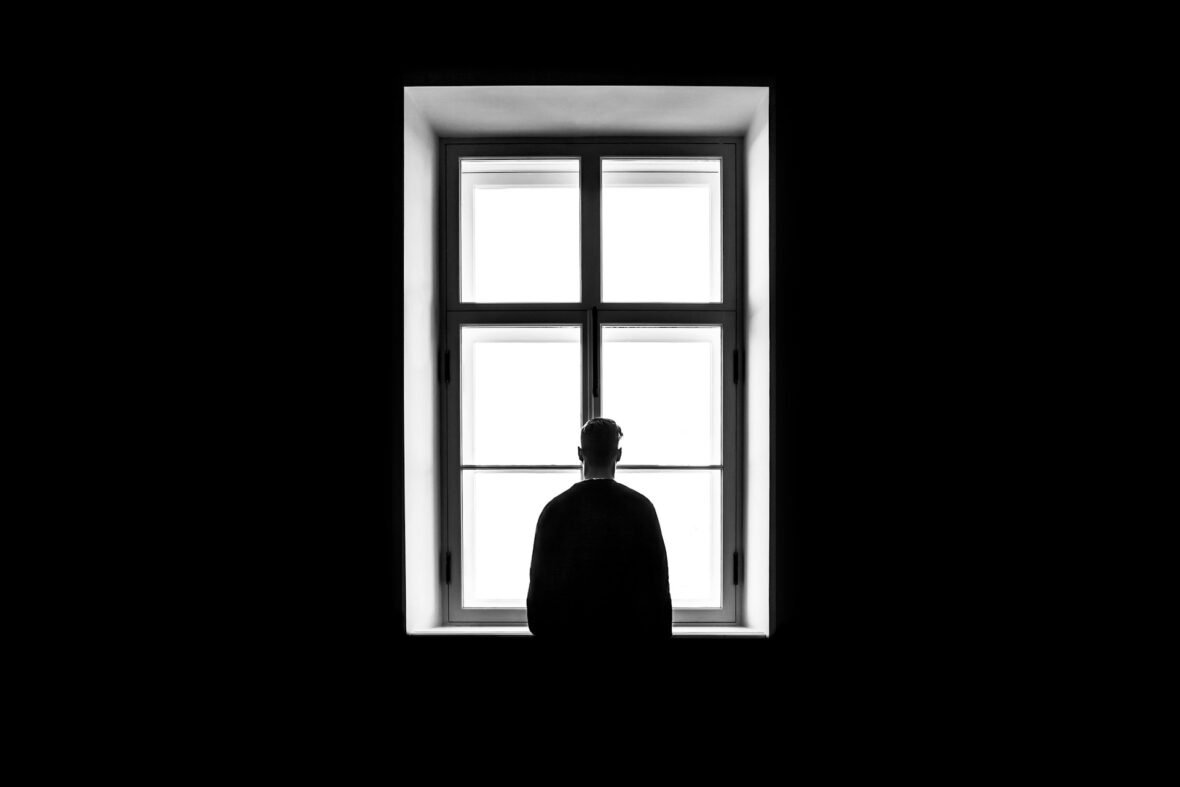
Photo by Sasha Freemind on Unsplash